20 Sep 2026
Regulatory Shifts Influencing Bonus Structures and Self-Exclusion Protocols Across Swiss Mobile Table Game Platforms
Current Landscape of Swiss Mobile Table Game Regulations
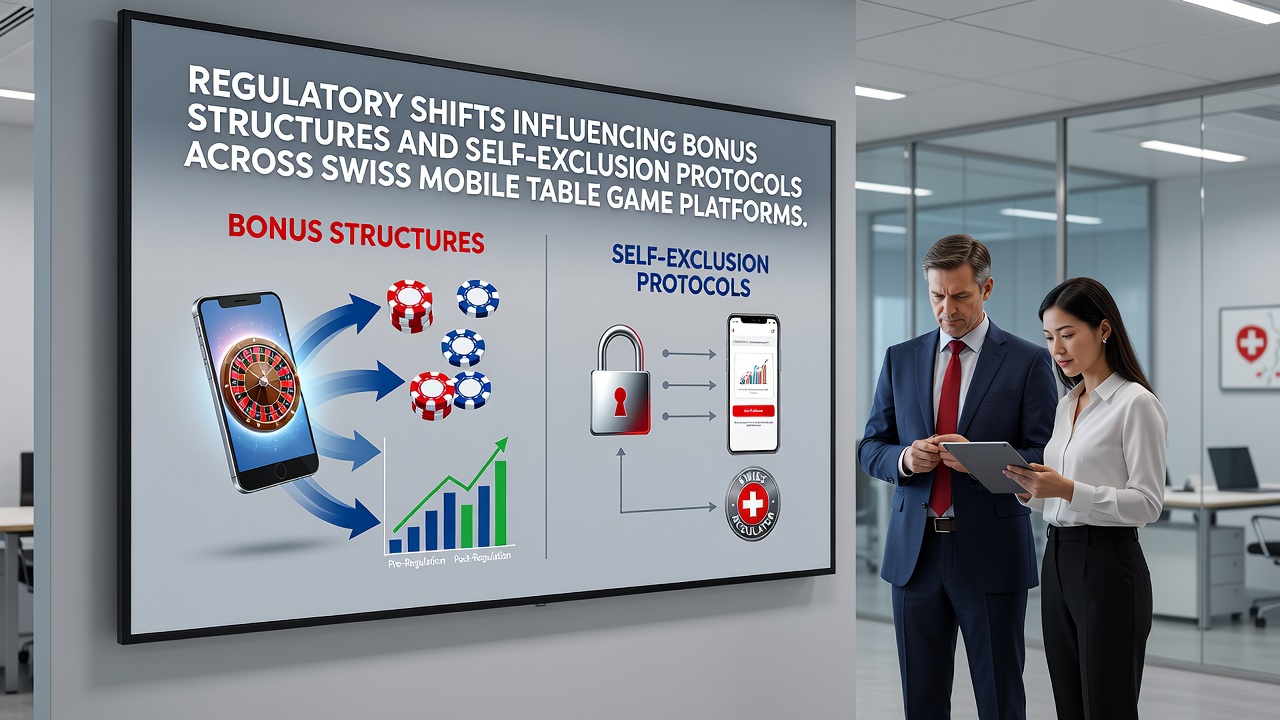
Swiss authorities have tightened oversight on mobile table game platforms, which include roulette, blackjack, and poker apps accessible via smartphones and tablets, and these changes reshape how operators handle player incentives while strengthening safeguards against excessive play. Data from the Federal Office of Justice indicates that online gambling licenses issued since 2021 require compliance with updated rules on promotional offers, and platforms must now report bonus usage patterns quarterly to ensure they align with player protection standards. Research from the Swiss Institute for Gambling Research shows participation in mobile table games grew by 18 percent between 2023 and 2025, prompting regulators to focus on structures that could encourage prolonged sessions.
Operators face restrictions on bonus types that once included unlimited reloads or cashback tied to table game wagers, and new guidelines cap welcome packages at a maximum of 100 percent of the initial deposit with a strict 20-times wagering requirement. These limits apply uniformly across licensed platforms, and non-compliance can result in fines reaching several hundred thousand Swiss francs depending on the scale of the violation.
Changes to Bonus Structures Under Recent Reforms
Reforms effective in early 2025 eliminated certain time-limited deposit matches that previously targeted high-volume table game users, while introducing mandatory disclosure of bonus terms in plain language before any activation occurs. Figures from the Swiss Federal Gaming Board reveal that bonus-related disputes dropped by 12 percent in the first half of 2026 after these transparency rules took hold, suggesting clearer communication helps reduce misunderstandings between players and operators. Platforms must now verify that bonus funds cannot be withdrawn until associated wagering clears through verified play on approved table games only.
Many providers adjusted their marketing strategies accordingly, and they shifted emphasis toward loyalty programs that reward consistent responsible behavior rather than volume alone. According to reports from the European Association for the Study of Gambling, similar adjustments in neighboring jurisdictions led to steadier revenue streams without the spikes and drops previously linked to aggressive bonus campaigns.
Updates to Self-Exclusion Protocols and Enforcement
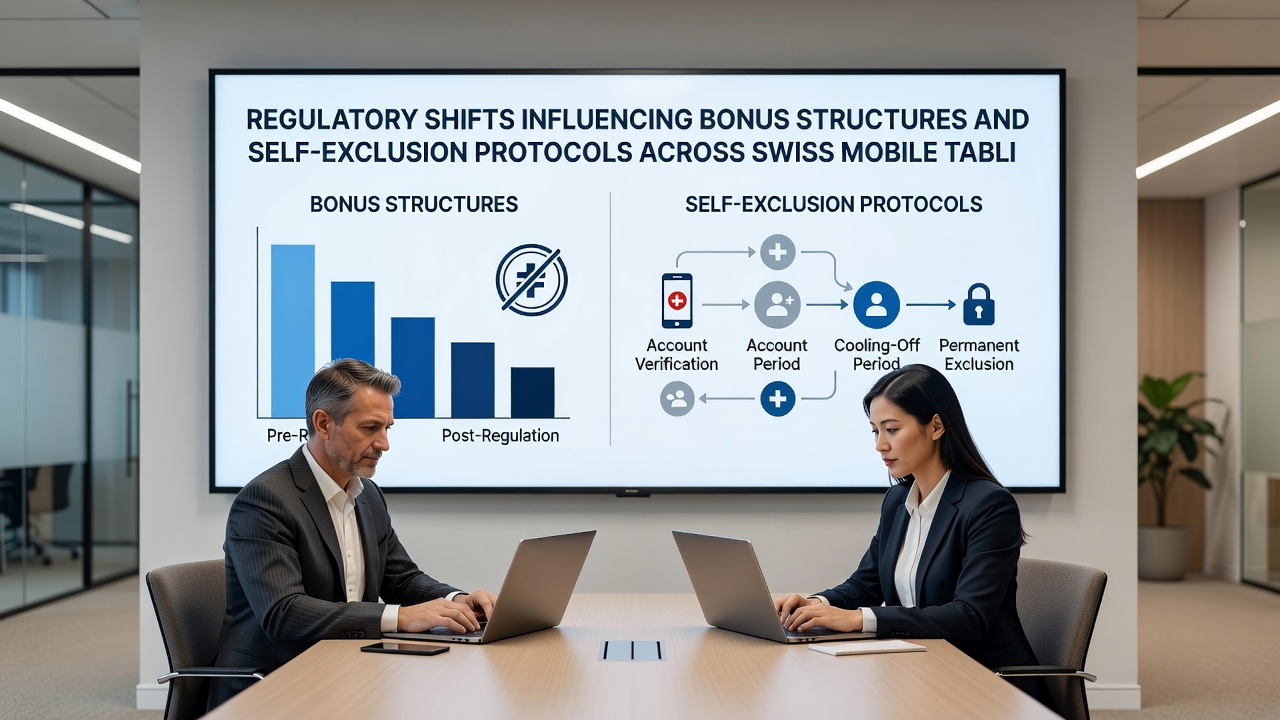
Self-exclusion mechanisms received significant upgrades in September 2026 when a centralized national registry went live, allowing players to block access across all licensed mobile table game platforms simultaneously with a single request. The system integrates with operator databases in real time, and it automatically extends exclusion periods if a player attempts to create new accounts under different identifiers. Data released by the Swiss Federal Council shows over 4,200 active self-exclusions registered through the new portal by late September 2026, with mobile users accounting for 65 percent of those entries.
Protocols now require platforms to conduct identity verification at every login attempt during exclusion periods, and failure to detect a registered user can trigger license reviews. Observers note that the registry connects directly to bank verification services, which prevents funding attempts from excluded accounts while maintaining privacy through encrypted data exchanges. One study conducted by teh University of Lausanne found that integrated self-exclusion tools reduced repeat high-risk deposits by 27 percent among participants tracked over six months.
Effects on Mobile Table Game Operators and Player Behavior
Operators responded by redesigning app interfaces to display real-time self-exclusion status alongside any active bonus balances, and they implemented automated reminders that appear after 60 minutes of continuous table game play. These features comply with September 2026 directives that mandate visible session timers and spending trackers on all mobile devices. Industry data compiled by the Swiss Casino Association indicates that average session lengths on table game apps shortened by nine minutes following the rollout of these tools.
Platforms also revised affiliate marketing agreements to exclude promotions that promise bonus credits without clear risk disclosures, and they directed marketing budgets toward educational content about responsible play limits. Those adjustments align with broader European trends documented in reports from the Canadian Centre for Addictions and Mental Health, where comparable protocol updates produced measurable declines in problem gambling indicators across mobile channels.
Looking Ahead to Implementation and Compliance
Regulators plan additional audits throughout the remainder of 2026 to verify that all active mobile table game platforms maintain full integration with the national self-exclusion registry, and they will evaluate bonus structures for any creative workarounds that might undermine the intended protections. License renewals scheduled for 2027 will incorporate compliance scores from these reviews, which could influence future operating permissions. Stakeholders continue to monitor how these measures interact with emerging technologies such as live dealer streaming on mobile devices.
Conclusion
Regulatory developments through September 2026 demonstrate a coordinated approach that balances commercial interests with player safeguards on Swiss mobile table game platforms. Bonus structures now operate under defined caps and transparency rules, while self-exclusion protocols benefit from centralized enforcement that spans multiple operators. Ongoing data collection will determine whether these shifts produce sustained changes in usage patterns and compliance rates across the sector.